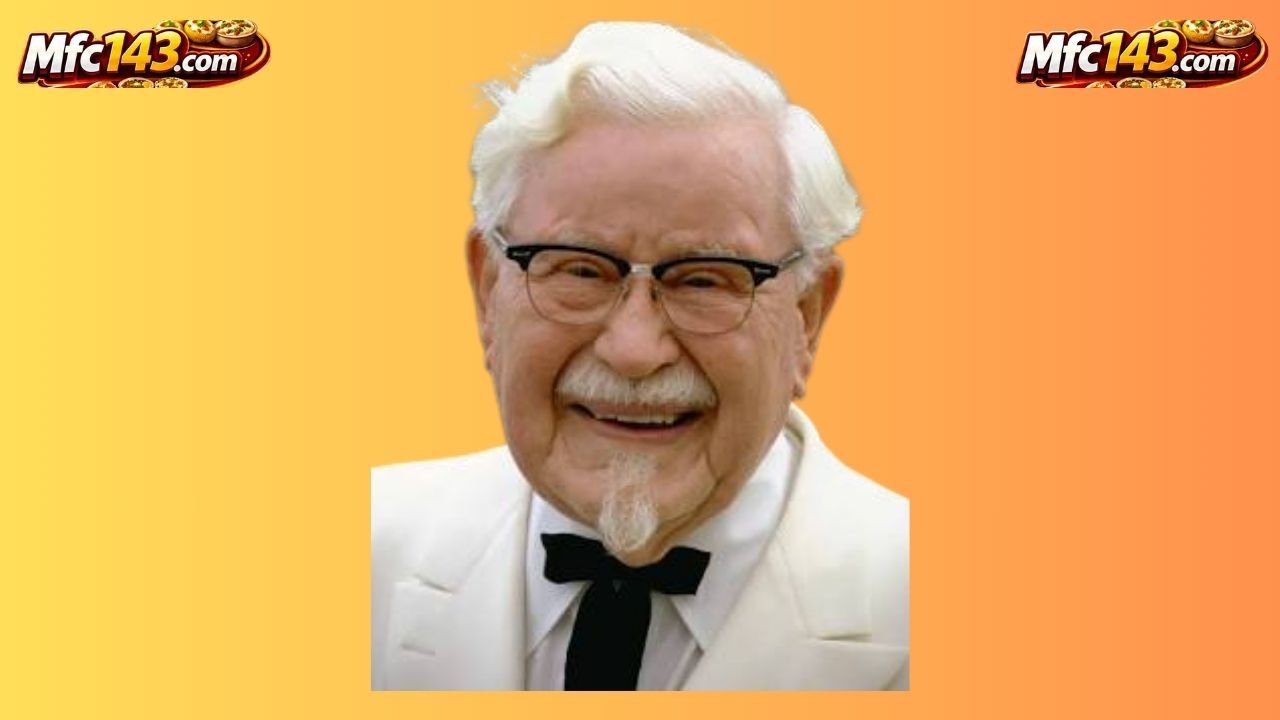
KFC , Colonel Harland Sanders, recognizable by his goatee and white suit, was a real person whose determination built a global fast-food empire, not merely an advertising mascot. His life was marked by setbacks and hardships before KFC became a renowned brand, illustrating the idea that success can come at any age. This piece explores his inspiring journey and lasting impact.
Early Life and Struggles: A Man of Many Jobs
Harland Sanders, born in 1890 in Henryville, Indiana, faced early hardships, including caring for his siblings from the age of six after his father’s death. This responsibility ignited his passion for food. Before culinary success, he had various jobs, including farmhand, streetcar conductor, and insurance salesman. Although many of these roles were unsuccessful, they reinforced his determination.
1. Key Milestones in the Life of Colonel Sanders
To understand how a former railroad worker became a global icon, let us look at the defining moments of his journey.
| Year | Milestone | Impact on Career |
| 1890 | Born in Henryville, Indiana | Learned cooking skills early to support his family. |
| 1930 | Opened Sanders Court & Café | Started serving fried chicken at a gas station diner. |
| 1935 | Named Honorary Kentucky Colonel | Received official title from the Governor of Kentucky. |
| 1940 | Perfected Original Recipe | Created the iconic 11 herbs and spices blend. |
| 1952 | First KFC Franchise Launched | Pete Harman opened the first official KFC in Utah. |
2. The Business Strategy: How Sanders Built KFC
Colonel Sanders did not build his empire by opening thousands of his own stores. Instead, he pioneered a unique franchising model.
| Strategy Component | Execution Method | Business Result |
| Pressure Frying | Used commercial pressure cookers | Cut cooking time from 30 min to 8 min. |
| Secret Spice Packets | Pre-blended spice packets shipped to stores | Maintained exact taste consistency worldwide. |
| Franchise Royalty | Charged 4 cents per chicken sold | Created a steady income stream without massive capital. |
| Personal Branding | Traveled in white suits promoting his chicken | Turn himself into a living, walking mascot. |
| Quality Audits | Unannounced visits to franchisee kitchens | Ensured strict quality standards across all branches. |
3. Colonel Sanders vs. Modern Fast-Food Icons
Harland Sanders was a pioneer among fast-food founders, shaping the industry alongside other legendary entrepreneurs.
| Founder | Brand | Key Innovation | Legacy Impact |
| Harland Sanders | KFC | Secret pressure-frying recipe & licensing | Made fried chicken a global staple. |
| Ray Kroc | McDonald’s | Assembly-line kitchen efficiency | Built the largest fast-food chain. |
| Dave Thomas | Wendy’s | Made-to-order fresh beef patties | Popularized square patties and Frostys. |
| Glen Bell | Taco Bell | Fast-serve Mexican-inspired tacos | Brought Tex-Mex to mass-market fast food. |
| Fred DeLuca | Subway | Custom submarine sandwich assembly | Pioneered health-focused fast foo |
The Turnaround at Age 65: Overcoming 1,009 Rejections
At 65, Sanders faced a turning point when his restaurant was destroyed. Instead of retiring with limited resources, he traveled the U.S. in his car, offering his fried chicken recipe to restaurant owners. He famously received 1,009 rejections before gaining his first franchisee, Pete Harman, showcasing his determination.
The White Suit and the Living Mascot
Colonel Sanders intentionally crafted his iconic image in the 1950s, characterized by his distinct white suit, black string tie, and trademark white mustache and goatee. Even after selling KFC in 1964 for $2 million, he continued as the brand’s ambassador, traveling extensively for public appearances and television shows. Sanders was dedicated to maintaining high culinary standards, publicly criticizing subpar preparation, showcasing his commitment to quality over profit.
Conclusion
Colonel Sanders of KFC symbolizes tenacity, zeal, and diligence. Despite facing bankruptcy and numerous rejections, he transformed a simple gas station chicken recipe into a global success that delights millions. His story exemplifies that success transcends age, reminding us of the power of perseverance each time we enjoy his original recipe fried chicken.
FAQs
Was Colonel Sanders a real military colonel?
He was honored with the title “Colonel” by Governor Ruby Laffoon of Kentucky in 1935 for his contributions to the state’s cuisine, which he then used as a marketing persona throughout his life.
How old was Colonel Sanders when he started KFC?
In his 40s, Sanders prepared meals for tourists and, at 65, introduced the worldwide franchising strategy for Kentucky Fried Chicken, funding his efforts with his first $105 Social Security check in 1955.
Did Colonel Sanders own KFC until he died?
No. Sanders sold Kentucky Fried Chicken in 1964 for $2 million to investors led by John Y. Brown Jr. and Jack C. Massey, remaining a brand ambassador until his death in 1980.
